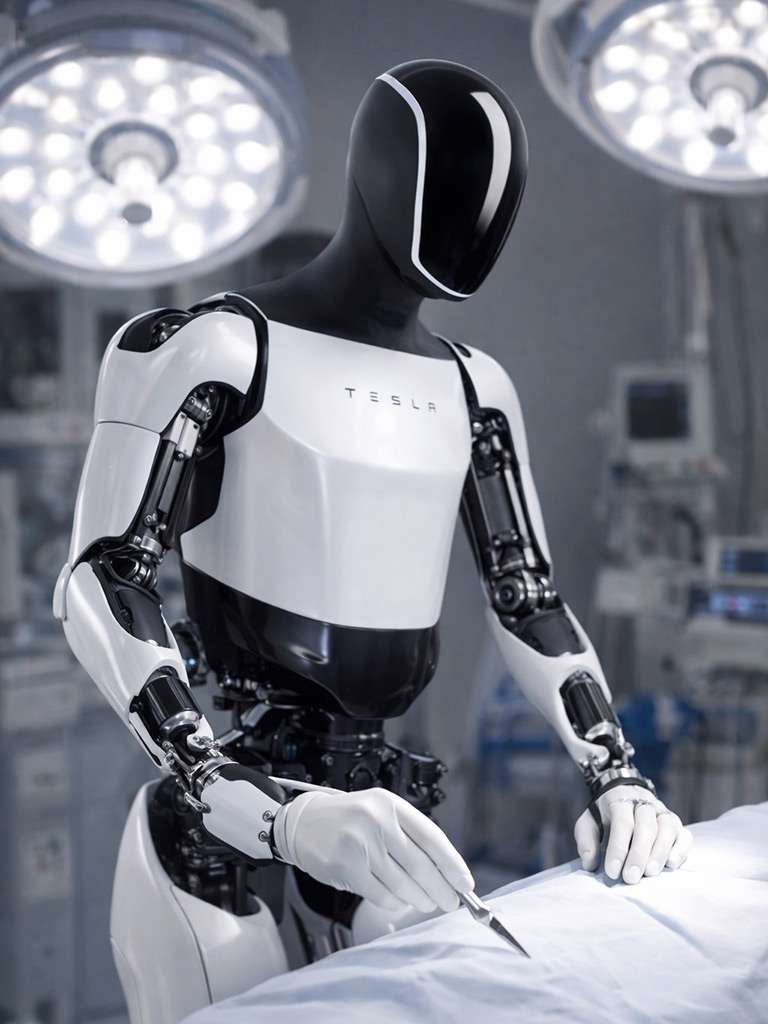

“There will probably be more Optimus robots that are great surgeons than there are all surgeons on Earth.” Elon Musk recently noted this would be the case by 2030.
Will a robot be better than me?
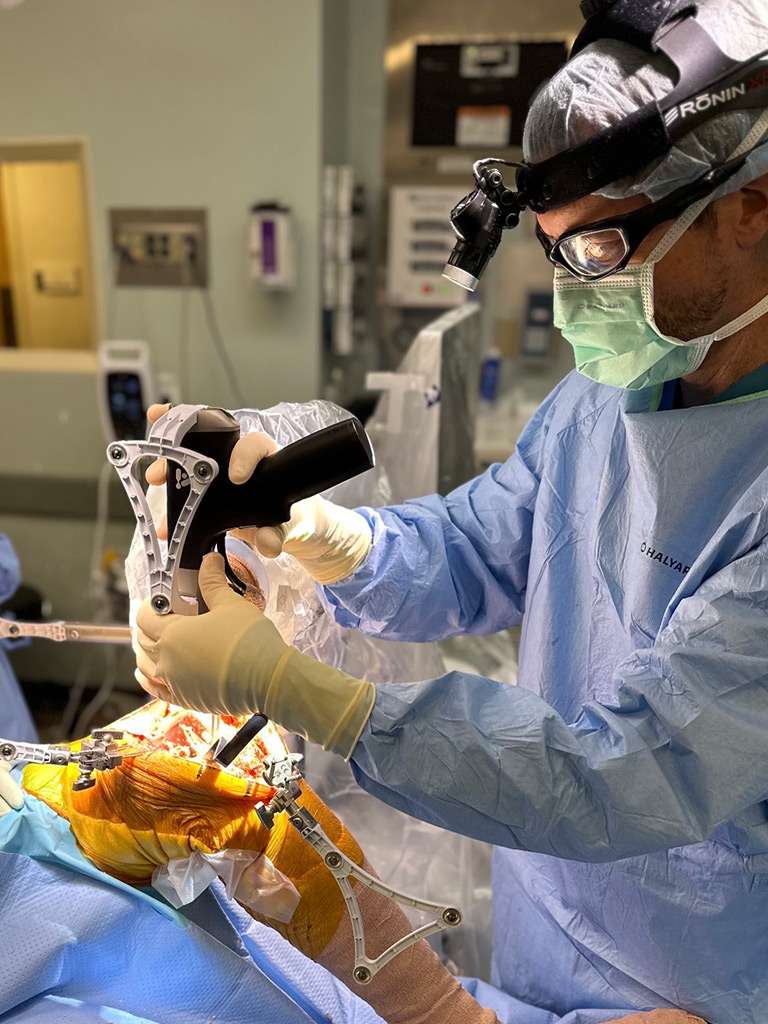
I currently use robotics as an aid to surgery. I like tech and I use it to the fullest extent available in 2026. I believe in forward progress. I think AI and robotics has and will transform humanity. It is naive to think it will not play a major role in what I do. Robotics will eventually become autonomous to the point that they will be able to perform the reproducible tasks that I have trained my entire life to perform. It will not be by 2030, however. It will differ for different procedures. For instance, common eye procedures may be possible within single digit years. More complex procedures like mine (hip and knee replacement), possibly 5-15 years. And, this really depends on how you define autonomy. Some procedures will likely never become fully autonomous because it will prove disadvantageous to do so. Like all technology, robotic surgery will be an evolution during which we employ viable tech options to real-life scenarios. Multiple iterations will occur. For knee replacement, semi-autonomous robots exist now. Results of robotic versus manual replacement are mixed. Specific aspects will improve precision and decrease invasiveness. For instance, add-on optical tech to current platforms will allow for pin-less landmark acquisition. This will improve time under surgery and allow for less invasive surgery. What does this mean for patients? It means, likely, more reproducible results, less pain, and less wound risk. From here, we will incorporate autonomous features. It will be progressive. Why would it not be? Did we start sending rovers to Mars immediately? Tech takes time to evolve, especially in the setting of healthcare where human lives are at risk. But yes, a robot can help do your surgery now and it will likely eventually do it autonomously. I’ll tell you when it’s better than me, okay?